 Email: cqcmedisolutions@gmail.com
 Telephone: 0800 689 1061
 Whatsapp us: 07956776114


 Sectors
If your service needs CQC registration, we can register it.
People assume CQC registration depends on what kind of business you run. It doesn't. It depends on the regulated activity you carry on. Get that part right and the rest of the application follows. Get it wrong and CQC will reject your application, or worse, you'll trade unregistered without realising it.

The rule in one paragraph
If you carry on any activity listed in Schedule 1 of the Health and Social Care Act 2008 (Regulated Activities) Regulations 2014 in England, you must register with CQC unless a specific exception or exemption applies. Each regulated activity is registered separately, and there is no hierarchy between them, so you apply for all the ones that describe what you actually do. Carrying on a regulated activity without being registered is a criminal offence. That's why we spend the first conversation on scope, not paperwork.
Read CQC's scope of registration guidance →
The regulated activities
Open the ones that sound like your service. Most providers register for more than one, and the combinations are where applications usually go wrong.
Help with the things people can't do for themselves at home: washing, dressing, toileting, eating and help with mobility. It's the activity behind most domiciliary care and supported living services.
Watch out for
Housing support and social support on their own (shopping, cleaning, companionship) don't trigger registration. Neither does only prompting or supervising medicines. The moment you cross into personal care tasks, you need to be registered.

The regulated activities
Eight things CQC will check are in place before they'll register your application, regardless of which regulated activity you carry on.
The right legal entity
You register as an individual, a partnership or an organisation. Applying as the wrong entity is one of the most common reasons an application has to be withdrawn and started again, and you don't get the fee back.
A registered manager
Most services need a manager registered with CQC in their own right, with their own application and their own interview. They must have the right qualifications and experience for the service they'll run.
A nominated individual
If you're registering as an organisation, you'll need a nominated individual: a director, manager or secretary responsible for supervising how the regulated activity is carried on.
DBS checks at the right level
Enhanced DBS checks with the correct barred list checks, countersigned through CQC. Certificates obtained through another employer usually won't be accepted.
A statement of purpose
A formal document setting out your aims, the regulated activities you'll carry on, who you'll provide services to, and where. CQC reads this closely, because it defines what you're registered to do.
Policies and procedures that match your service
Generic policies downloaded from the internet are visible from a mile away. Yours need to describe how your service actually operates and meet the fundamental standards.
Insurance and indemnity cover
Public liability and professional indemnity insurance appropriate to your regulated activity. CQC will ask for evidence of this during the application, not after you're already trading.
Evidence you can fund the service
A business plan and cash flow showing you can run the service safely from day one. This matters most for new domiciliary care and residential providers, where CQC has seen agencies register and then fail to trade.
The regulated activities
These are the services we see week in, week out. If yours isn't listed, it doesn't mean we can't help. It means we haven't put your sector on a page yet.
Care in people's homes and communities

Domiciliary Care
Our software is designed to streamline and enhance the operations of your domiciliary care business, providing you with the tools to deliver exceptional care while optimizing efficiency. With features like customizable care plans, you can tailor support to meet each client's unique needs, ensuring person-centered care. Real-time scheduling and staff management tools simplify workforce coordination, reducing administrative burdens and minimizing errors.
Regulated activity: personal care

CQC registration for live-in care providers
A carer living in the client's home and providing personal care around the clock. The registration itself sits under the same activity as domiciliary care, but the operational questions are different: working time, rest breaks, accommodation arrangements, safeguarding when there's a single carer with no colleague present, and how you cover a placement when the carer is unwell. Your policies need to answer those specifically rather than reading like a standard homecare pack.
Regulated activity: personal care

Supported Living
Our software is specifically designed to meet the needs of supported living businesses, offering robust tools and features to streamline your operations and enhance the quality of care. We provide comprehensive assistance with your CQC application and registration, ensuring your business meets all regulatory requirements right from the start. With tools for creating personalised support plans, managing staff schedules, and maintaining secure, compliant records, our software helps you deliver consistent, high-quality care.
Regulated activity: personal care

CQC registration for complex care at home
Clinical care delivered in the community: tracheostomy and ventilation support, PEG feeding, catheter care, spinal injury packages and continuing healthcare placements. These services usually need more than one regulated activity, because personal care and nursing-led treatment sit under different headings. Getting that combination right at application stage saves you a variation later.
Regulated activities: personal care · treatment of disease, disorder or injury

CQC registration for care homes
Residential care homes and nursing homes, where accommodation and care are provided together. Registration covers the location as well as the provider, so the premises themselves come under scrutiny: fire safety, environmental risk, room sizes and adaptations. If you employ registered nurses in their professional capacity, you'll usually need to register for treatment of disease, disorder or injury alongside the accommodation activity.
Regulated activities: accommodation with nursing or personal care · treatment of disease, disorder or injury

CQC registration for substance misuse services
Residential rehabilitation and detoxification services for people with drug or alcohol dependency. These registrations attract detailed questions about clinical governance, prescribing arrangements, medical oversight and how you manage risk during withdrawal. A registered manager with directly relevant experience is close to essential.
Regulated activity: accommodation for persons who require treatment for substance misuse
Private clinics and aesthetics

Hair Transplant Clinic
Our software is built to support the unique needs of hair transplant clinics, offering a range of features that streamline operations and ensure compliance with industry standards. We assist with digital audits and risk assessments, helping you identify and address potential areas of improvement efficiently. With mock inspection tools, your clinic can prepare thoroughly for regulatory evaluations, ensuring you meet all required standards. Additionally, our platform includes customisable policies, allowing you to tailor protocols to your clinic's specific needs.
Regulated activity: surgical procedures

CQC registration for aesthetic clinics
Botulinum toxin, dermal fillers, thread lifts, polynucleotides, skin boosters and similar treatments. Whether you need to register turns on what you're actually doing: treatments involving prescription-only medicines, or provided by or under the supervision of a listed healthcare professional, generally fall within treatment of disease, disorder or injury. Purely cosmetic beauty treatments with no medicine involved usually don't. The line is finer than most clinic owners expect, and it's the single most common question we're asked.
Regulated activity: treatment of disease, disorder or injury

CQC registration for IV drip and vitamin infusion clinics
Intravenous vitamin therapy, hydration drips, NAD+ and booster injections, whether delivered from a clinic or as a mobile service. Infusions and injections given by or under the supervision of a healthcare professional bring you into scope. Mobile services raise an extra question CQC will ask directly: where is your registered location, and how do you maintain governance, medicines management and emergency response when treatment happens in a client's living room or a hotel suite.
Regulated activity: treatment of disease, disorder or injury

CQC registration for weight loss and weight management clinics
Prescribing services including GLP-1 weight loss injections. This is the fastest-growing area of new registration we see, and a lot of clinics have been trading for months before realising they're in scope. Depending on how the service is structured you may fall under services in slimming clinics, treatment of disease, disorder or injury, or the remote advice activity if you consult online. Prescribing governance and how you verify patient eligibility will be central to the application.
Regulated activities: services in slimming clinics · treatment of disease, disorder or injury
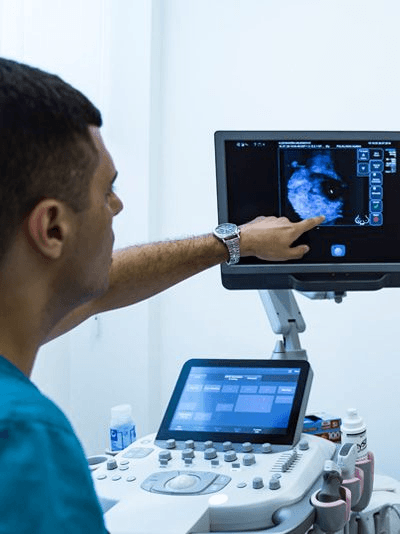
CQC registration for scanning and ultrasound clinics
Private baby scanning, diagnostic ultrasound, imaging and health screening services. Some diagnostic work is specifically excepted from registration and some isn't, which makes this one of the activities where providers most often get it wrong in both directions: registering unnecessarily, or assuming an exemption that doesn't apply to what they actually offer. Worth checking before you sign a lease.
Regulated activity: diagnostic and screening procedures

Private Clinics
Our software is specifically designed for private clinics registered with the CQC, offering a range of features to streamline operations and ensure full compliance with regulatory standards. We assist with digital audits and risk assessments, enabling you to identify and address potential issues efficiently. Our mock inspection tools prepare your clinic for regulatory evaluations, while our customisable policies allow you to tailor procedures to your specific needs. Additionally, we provide comprehensive preparation for the CQC registered manager interview, equipping you with the knowledge and confidence to succeed.
Regulated activity: treatment of disease, disorder or injury

CQC registration for online and remote clinics
Digital consultation platforms, remote prescribing services, telephone triage and video GP services. Remote providers are held to the same standards as physical clinics, with additional expectations around identity verification, safeguarding when you can't see the patient's environment, and how you handle a patient who deteriorates between consultations.
Regulated activity: transport services, triage and medical advice provided remotely

CQC registration for sports ground, gym and event medical services
Pitchside medical cover, event medics, stadium treatment rooms and treatment provided inside gyms. Exceptions that previously kept these services outside CQC regulation are being removed, and applications can be made from 7 September 2026. If you hold contracts with clubs, venues or event organisers, they will start asking whether you're registered, often before the second commencement date arrives.
Regulated activity: treatment of disease, disorder or injury · new from 2026
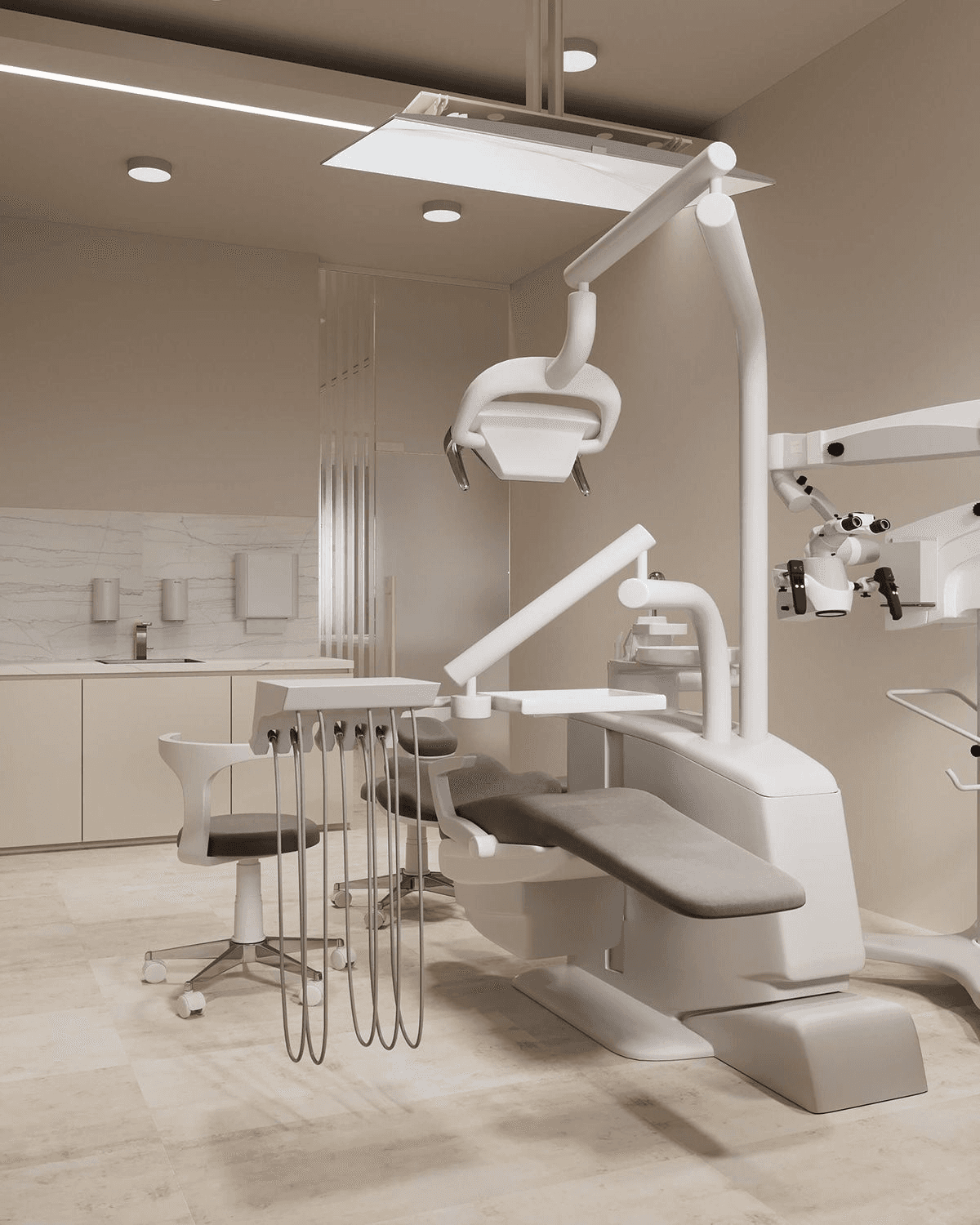
CQC registration for dental practices
General and specialist dental practices, including squat practices registering for the first time and existing practices going through a change of ownership. Timing is what catches people out: the registration has to align with your completion date, your lease and your equipment install, and CQC won't be rushed because your contracts have moved. We build the application backwards from your opening date.
Regulated activity: treatment of disease, disorder or injury

CQC registration for physiotherapy and musculoskeletal clinics
Physiotherapy, osteopathy-adjacent rehabilitation and MSK services. Whether registration is required depends on who provides the treatment and how the service is structured. Treatment provided by or under the supervision of a listed healthcare professional generally falls in scope, though exceptions apply. If you're unsure whether your setup needs registration, it's worth checking before you take on new premises or contracts.
Regulated activity: treatment of disease, disorder or injury

CQC registration for independent ambulance and patient transport
Non-emergency patient transport, event ambulance cover and independent ambulance services. Vehicle standards, crew competence, medicines carried on board and how you handle a patient whose condition escalates in transit all feature heavily in the assessment.
Regulated activity: transport services, triage and medical advice provided remotely

CQC registration for maternity and midwifery services
Independent midwives, private antenatal and postnatal care, and birth centres. Clinical escalation is the heart of the application: what happens when a home birth needs to transfer, who your named obstetric contact is, and how your indemnity arrangements stand up.
Regulated activity: maternity and midwifery services
Registration + softwareYou might not need CQC registration at all
Not every health-adjacent business is regulated, and we'd rather tell you that on a free call than take a fee for an application you didn't need. You generally don't need to register if you only provide:
- Beauty treatments with no prescription-only medicines involved: facials, non-medical peels, lashes, waxing, most laser and IPL hair removal
- Housing support or social support only: shopping, cleaning, companionship, help getting to appointments
- Prompting or supervising medicines, without providing any personal care tasks
- Personal training, sports massage or nutrition advice with no clinical treatment
- Talking therapies delivered by a counsellor or psychotherapist who isn't a listed healthcare professional
Other regulators may still apply: local authority licensing, the GDC, the GPhC, the HFEA or Ofsted depending on what you do. If you're unsure, ask us and we'll tell you straight.

CQC registration questions we're asked every week
Short answers. If yours isn't here, ask us on the call.

Not sure which activities you need? That's the call to book.
Fifteen minutes will tell you what you need to register for, what the process looks like for your service, and roughly how long it will take. If you don’t need us, we’ll say so.